Bitcoin Casinos in the UK 2026: A Complete Guide to Playing Slots with Cryptocurrency Safely and Legally

I've spent a fair chunk of the past couple of years poking around at how crypto and online gambling actually intersect, and honestly? 2026 feels like the tipping point. What used to be a niche corner of the internet — forums full of jargon, half-finished guides, people arguing about wallet security in comment threads nobody reads — has turned into a genuine mainstream alternative to the standard online casino. UK players are increasingly curious about depositing with Bitcoin instead of a debit card. I get why.
But the questions I hear most often are the exact same ones I asked myself back when I first looked into this: is it actually legal here? Is it safe? Does it offer anything meaningfully better than a normal online casino, or is it just a shinier wrapper on the same old thing? This guide's my attempt to answer all of that in one place. No fluff, no sales pitch — just what I've actually found after digging through more terms and conditions pages than I care to admit.
What Are Bitcoin Casinos and How Do They Work?
At their core, Bitcoin casinos are just online gambling platforms that let you deposit and withdraw using cryptocurrency instead of, or alongside, regular fiat money like GBP. The games themselves — slots, blackjack, roulette — work exactly the same way they always have. Nothing magic there.
What actually changes is the plumbing underneath. Instead of linking a bank card or firing up an e-wallet, you connect a crypto wallet, send Bitcoin to the casino's designated address, and that gets converted into casino credit — either directly or via a fiat equivalent, depending on the platform.
Transactions get recorded on the blockchain, which gives you a level of transparency you just don't get with a card payment. You can watch your deposit move from your wallet to the casino in real time. Withdrawals follow the same logic in reverse. And the slots on these sites run on identical software to what you'd find on a traditional site — same providers, same RNGs, same RTP percentages in most cases. The cryptocurrency angle is purely about how the money moves in and out. Nothing more, nothing less.
Cryptocurrencies Commonly Accepted (Bitcoin, Ethereum, Litecoin, USDT)
Bitcoin's still king on most UK-facing platforms, mostly because it's the most recognised and liquid cryptocurrency out there. That said, plenty of operators now support Ethereum, Litecoin, and stablecoins like USDT. Stablecoins in particular have grown in popularity because they're pegged to the US dollar, which takes away the volatility headache that comes with holding pure Bitcoin or Ethereum mid-session — nobody wants to watch their balance shrink between spin and cash-out.
I've noticed more sites quietly expanding their coin list every few months — small tweaks, new logos on the deposit page, nothing flashy. But it tells me demand from UK players is only growing, not shrinking, which honestly surprised me a little back when I first started tracking this.
Is Playing Bitcoin Slots Legal in the UK?
This is the question I get asked the most. And the honest answer is: it's complicated, but generally yes, with caveats. Gambling itself is legal in the UK, and there's no specific law banning cryptocurrency as a payment method. But the legality hinges heavily on where the casino is licensed and how it actually operates day to day.
UK-facing operators licensed by the UK Gambling Commission (UKGC) are held to strict standards around fairness, anti-money laundering checks, and player protection. Some UKGC-licensed sites have started accepting crypto, though it's still relatively rare compared to offshore platforms operating under licenses from jurisdictions like Curaçao or Malta. Playing on an offshore, unlicensed site isn't necessarily illegal for you as a player — but it does mean you lose the protections that come with UKGC oversight. Things like mandatory dispute resolution and enforced responsible gambling tools just aren't there.
UK Gambling Commission Stance on Cryptocurrency
The UKGC's been cautious rather than hostile toward cryptocurrency, which is probably the right posture given how fast this space moves — I'd rather regulators be slow and careful than reckless. Their guidance makes clear that operators accepting crypto still have to meet the same anti-money laundering and know-your-customer (KYC) obligations as fiat-based casinos. In practice, this means a properly licensed crypto casino will still ask for identity verification, even if the deposit itself feels anonymous on the blockchain side.
If a site lets you gamble large sums with zero verification whatsoever, that's a red flag, not a convenience. It usually means they're operating outside UKGC jurisdiction entirely — and that's exactly the kind of shortcut that comes back to bite you when you try to withdraw. I've seen it happen more than once, secondhand at least.
Key Benefits of Playing Slots with Cryptocurrency
Once I got past the initial learning curve — and it is a curve, wallets aren't as intuitive as typing in a card number — the appeal became pretty obvious. Here's what stood out to me most:
- Speed: Crypto withdrawals often clear in minutes rather than the 24-72 hours typical of card withdrawals.
- Privacy: You're not handing over full banking details every time you top up your balance.
- Lower fees: Many crypto transactions carry minimal or no processing fees compared to card networks.
- Exclusive bonuses: Crypto-only casinos frequently run promotions specifically for Bitcoin depositors that aren't available to fiat players.
- Provably fair mechanics: Some blockchain-based slots let you verify the fairness of individual spins using cryptographic proofs — a genuinely interesting step up in transparency, and something you can't really do on a traditional site.
How to Choose a Safe and Reputable Bitcoin Casino
This is where most of the actual risk lives. Not in the technology — in picking the wrong operator. Before I deposit anywhere, I run through a mental checklist: is the site licensed, and by whom? Does it use SSL encryption throughout, not just slapped on the login page for show? Are RTP rates published and consistent with the game providers listed?
Are those providers ones I actually recognise — established slot studios rather than some obscure in-house software nobody's heard of? And maybe most tellingly: is customer support actually responsive when you test it with a simple question before you've even deposited a penny? You'd be surprised how many sites fail that last one.
Reading independent reviews and community feedback matters more than any flashy homepage banner ever will. For UK players looking to get started, browsing a trusted comparison list of the best bitcoin slots uk can help narrow things down to licensed, secure operators with strong game selections and fair bonus terms — rather than relying on guesswork or whatever ad happened to catch your eye that day.
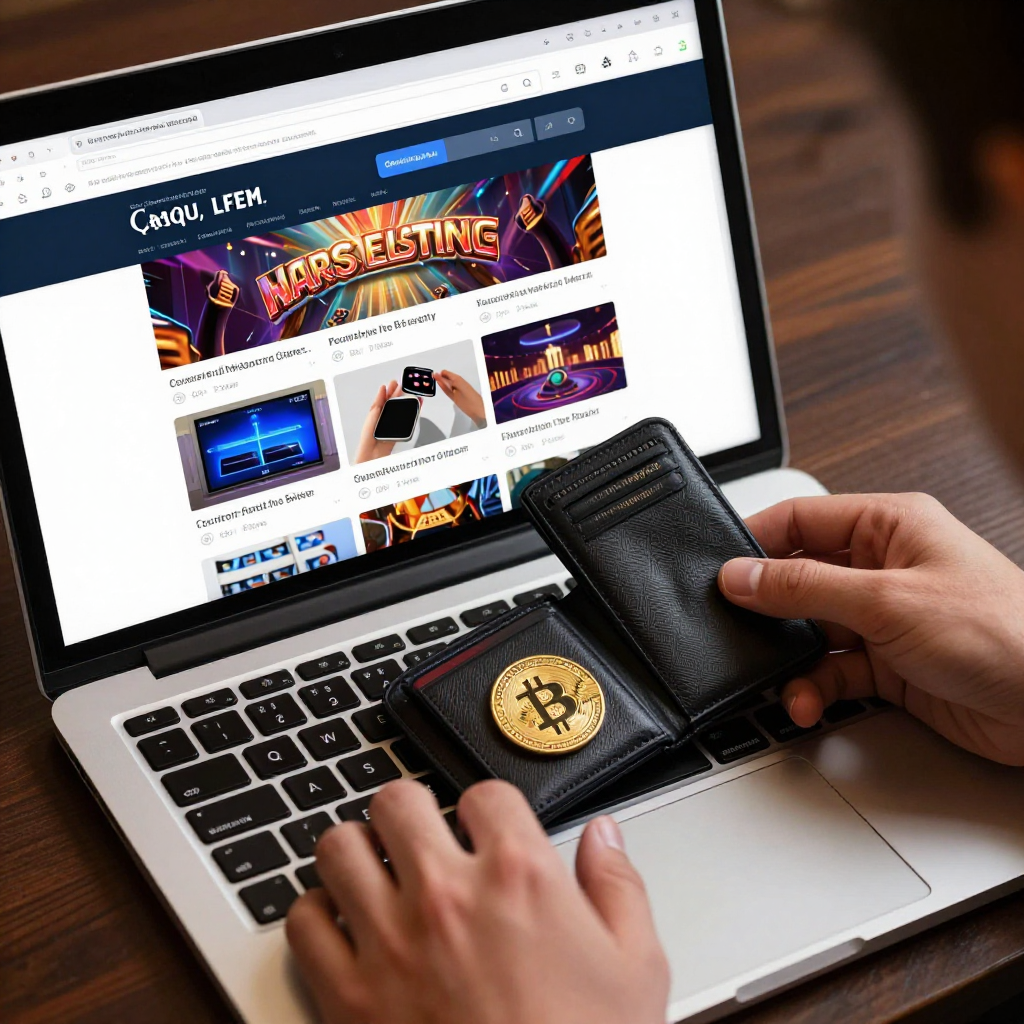
Best Practices for Safe and Responsible Crypto Gambling
Even with a solid platform picked out, how you play matters just as much as where. I always set a deposit limit before I start a session — most reputable sites let you configure this directly in account settings, and it takes about thirty seconds. Using a dedicated crypto wallet just for gambling, kept separate from your main holdings, keeps things tidier and cuts down on the temptation to move funds around impulsively.
Two-factor authentication should be non-negotiable. It's a small step, sure, but it prevents a huge amount of potential grief down the line.
Wagering requirements on crypto bonuses can be steeper than on fiat promotions, so read the terms properly before chasing a deposit match — don't just skim and click accept. And if you ever notice yourself gambling to escape stress, chasing losses, or losing track of time and money, that's the point to step back. UK players have access to genuinely useful tools here: GamStop lets you self-exclude from all UKGC-licensed sites at once, and GambleAware offers free, confidential support if things start feeling out of hand.
Common Mistakes UK Players Should Avoid
The biggest mistake I see repeated constantly is skipping the licensing check entirely because a site looks slick. A polished interface tells you nothing — literally nothing — about regulatory compliance. Second is chasing losses using volatile assets. If Bitcoin's price swings while you're trying to recover losses, you're stacking two separate risks on top of each other, and that rarely ends well.
Third, people often overlook withdrawal limits and network fees until the moment they try to cash out, only to discover unexpected caps or delays they hadn't planned for. And finally, be wary of bonus offers that seem disconnected from reality. Massive percentage matches with almost no wagering requirements are usually a sign the operator isn't playing straight with you.
Bitcoin casinos have genuinely earned their place as a legitimate option for UK slot players in 2026, offering real advantages in speed, privacy, and bonus variety that traditional platforms often can't match. But none of that matters if the operator you choose isn't properly licensed or transparent about how it handles player funds. Do your homework. Stick to platforms with a proven track record, set your limits before you start spinning, and treat crypto gambling the same way you'd treat any other financial decision — carefully, and with your eyes open.
← Back to Blog