How Second-Life EV Batteries Are Powering the UK's Renewable Energy Storage Revolution in 2026: Inside the POWERBASE Project
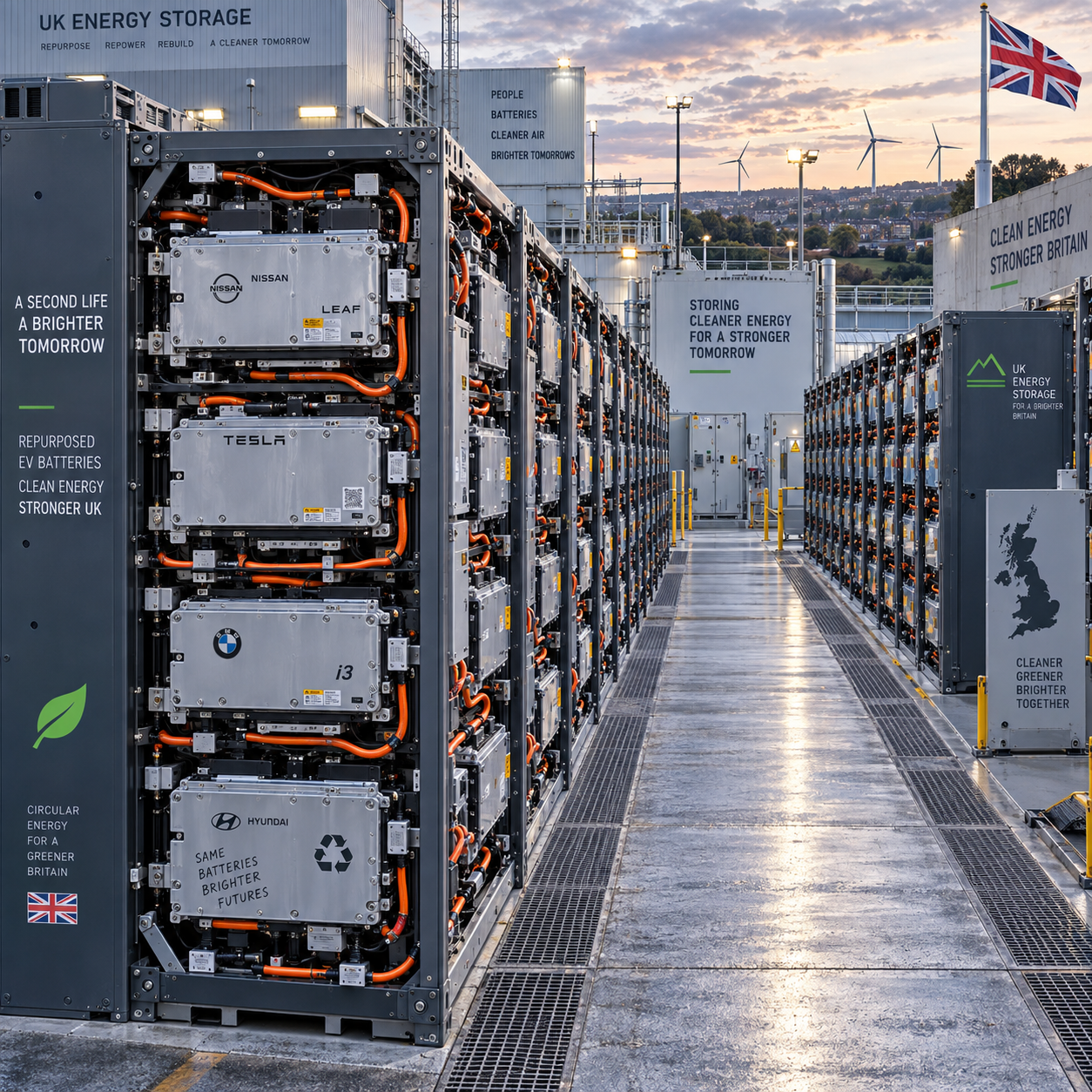
I've spent the better part of this year talking to engineers, grid operators, and battery scientists across the UK, and one theme keeps coming up: we're drowning in clean electricity we can't always use when we need it. Wind farms off the Scottish coast are generating more power than the grid can absorb on gusty nights, while solar installations across the Midlands sit idle on cloudy afternoons when demand spikes. It's a strange paradox for a country that's made such impressive strides in renewable generation.
The UK's Energy Storage Challenge in 2026
The UK has quietly become one of Europe's renewable energy success stories. Offshore wind capacity has ballooned, rooftop solar is now a common sight from Cornwall to Cumbria, and the grid mix is greener than it's ever been. But here's the catch—wind and solar are inherently intermittent. The sun doesn't always shine when factories need power, and the wind doesn't blow on demand. This mismatch between generation and consumption has pushed grid-scale storage from a nice-to-have to an absolute necessity.
Balancing this supply-demand equation isn't just a technical puzzle; it's an expensive one. National Grid ESO regularly pays wind farms to curtail output because there's nowhere to store the excess energy. That's money wasted and clean electrons thrown away—hardly the outcome anyone wants from a renewable transition.
Why New Batteries Aren't Always the Answer
The obvious solution—build more lithium-ion battery farms—comes with its own baggage. Manufacturing new batteries requires mining lithium, cobalt, and nickel, processes that carry significant environmental and ethical costs. Supply chains for these materials are also increasingly strained, with geopolitical tensions affecting availability and pricing. Every new battery pack represents a fresh extraction footprint, even before it's plugged into the grid. This is exactly the tension that's driving interest in an alternative: batteries that already exist but have simply outlived their first job.
What Are Second-Life EV Batteries?
Electric vehicles typically retire their batteries from automotive use once capacity drops below roughly 70-80% of the original rating. At that point, the battery can no longer deliver the range or performance drivers expect, but it's far from dead. In fact, a battery at 75% capacity can still store a substantial amount of energy—just not enough to power a car efficiently for daily commutes.
This is where the concept of 'second life' comes in. Rather than shredding these packs for raw material recovery immediately, engineers can extract the individual modules, test them, and reassemble them into stationary storage systems. Unlike an EV, a stationary battery doesn't need to accelerate from 0 to 60 or squeeze every last mile out of a charge—it just needs to sit there, charge up when renewables are abundant, and discharge when the grid needs support. It's a much gentler job, and these retired packs are well suited to it.
Inside the POWERBASE Project
This is precisely the territory a research initiative called POWERBASE has been exploring, and it's become one of the more compelling case studies I've followed this year. You can find the full details at https://powerbase-project.eu/, and it's become clear reading through it that this isn't just a research exercise sitting on a shelf somewhere—it's a genuine attempt to demonstrate, at scale, that second-life EV batteries can function as reliable, commercially viable storage assets.
The project's ambition is straightforward but far from easy to execute: take batteries retired from electric vehicles, verify their remaining health and safety, and integrate them into working energy storage systems that can be deployed in real grid conditions. It's the kind of practical, hands-on engineering that bridges the gap between academic promise and industrial reality.
Technology and Testing Approach
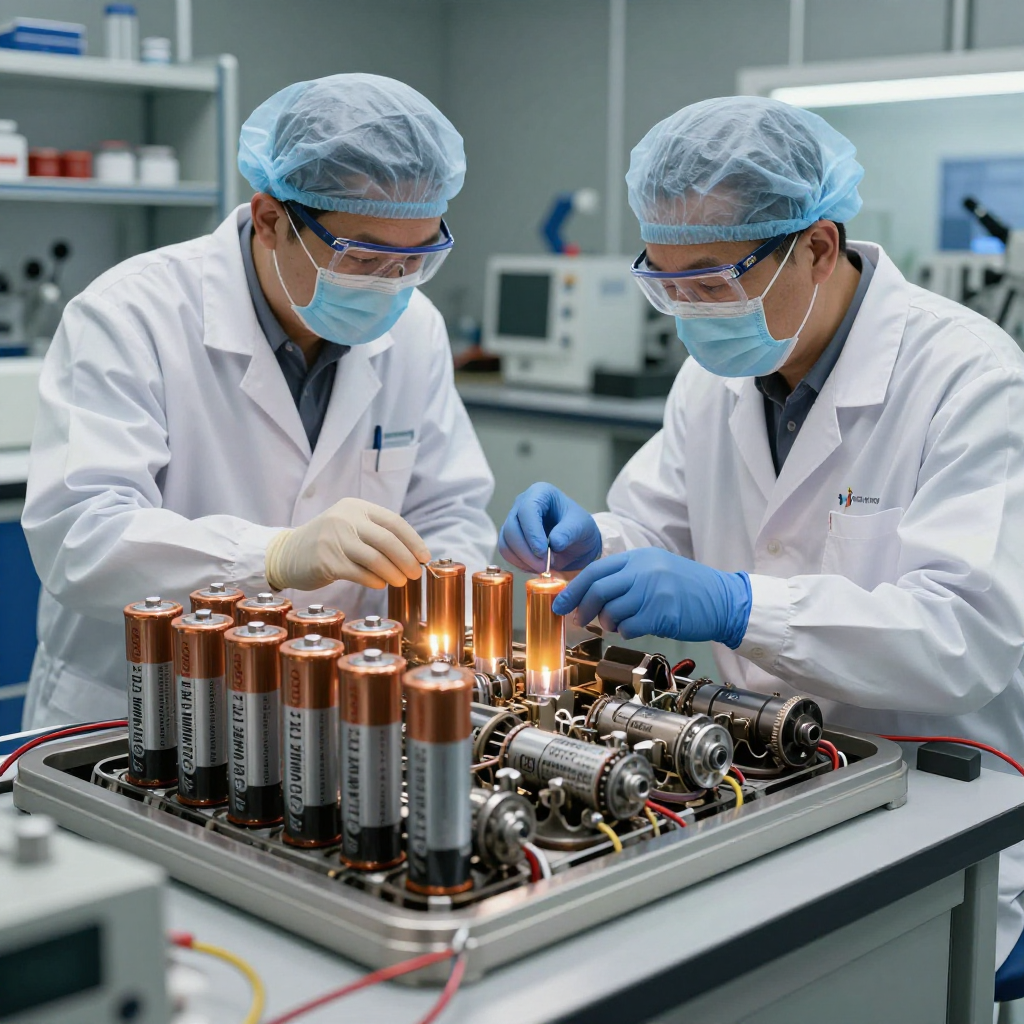
What impresses me most about POWERBASE is the rigor of its testing methodology. Not every retired EV battery is created equal—cells degrade differently depending on charging habits, climate exposure, and the vehicle model they came from. The project's approach involves systematic health assessment of individual modules, screening for internal resistance, capacity fade, and thermal behavior before any repurposing decision is made.
Once modules pass this screening, they're grouped and reconfigured into storage packs designed for stationary use, with monitoring systems that track performance over time. The team publishes detailed methodologies and findings on its website, and I'd genuinely recommend anyone working in this space to dig through the technical documentation—it's one of the more transparent efforts I've come across in this niche.
Benefits for the UK's Renewable Energy Sector
For the UK specifically, second-life storage offers a compelling set of advantages. Offshore wind farms, particularly those in the North Sea, often generate power in surges that the grid struggles to absorb instantly. Battery storage—whether new or second-life—can soak up that excess and release it during calmer periods, reducing the curtailment payments that cost the system hundreds of millions of pounds annually.
Beyond utility-scale applications, second-life batteries are proving useful for community energy projects. Local microgrids, particularly in rural areas with limited grid connectivity, can use repurposed battery banks to store solar or wind energy generated on-site, improving resilience and reducing reliance on long-distance transmission.
Economic and Environmental Impact
The numbers here are genuinely encouraging. Repurposed batteries can cost significantly less than brand-new storage units—industry estimates often put second-life systems at 30-50% cheaper on a per-kilowatt-hour basis, depending on sourcing and refurbishment costs. Extending a battery's useful life by another five to ten years in a stationary application also delays the need for recycling or raw material extraction, which translates directly into a lower overall carbon footprint across the battery's full lifecycle.
Challenges and Limitations
None of this comes without friction, though. One of the biggest technical hurdles is inconsistency—batteries retired from different EV models, ages, and usage patterns don't behave uniformly, which complicates the process of building reliable, predictable storage systems. Safety certification is another sticking point; repurposed batteries need to meet the same fire safety and performance standards as new installations, and the UK's regulatory framework for second-life battery deployment is still catching up.
Logistics matter too. Sourcing enough retired EV batteries at scale, transporting them safely, and running them through rigorous testing takes time and infrastructure that's still being built out. It's not yet a plug-and-play industry, and anyone expecting instant scale is likely to be disappointed.
The Road Ahead: Scaling Second-Life Storage in the UK
Looking toward 2030, I think the trajectory here is genuinely promising. As more EVs reach the end of their automotive service life over the coming years, the supply of candidate batteries for second-life projects will grow substantially. Partnerships between EV manufacturers, utilities, and research initiatives like this one will likely become more common, each bringing complementary expertise—manufacturers understand battery chemistry and history, utilities understand grid requirements, and research projects provide the testing rigor needed to bridge the two.
Policy support will be crucial. Clearer certification standards, incentives for repurposing over recycling, and streamlined permitting for second-life storage installations could accelerate deployment considerably. If the UK gets this right, second-life storage could become a meaningful slice of the country's grid-balancing toolkit within the next few years.
Second-life EV batteries won't single-handedly solve the UK's renewable storage puzzle, but they represent a pragmatic, lower-impact bridge technology that makes use of resources we've already invested in. Ongoing work is proving, module by module, that yesterday's car battery can become tomorrow's grid asset—cheaper, greener, and surprisingly effective. If you're curious about the technical details or want to follow how this work develops, it's worth keeping an eye on the ongoing research and findings at https://powerbase-project.eu/.
← Back to Blog